
Service
Transport and Disposal of Unusable Production Raw Materials
Off-specification batches, contaminated and residual raw materials, intermediates. We establish whether the material is waste at all and, if it is, under which code and to which facility.
What does the service include?
With a production material the first question is not “what is the code” but “is this waste at all”. If the material has a clearly defined lawful use, it may be a by-product under Article 4 of the WMA rather than waste. That check is the first step and it determines everything after it: the code, the facility, the transport regime and the price.
- An assessment under Articles 4 and 5 of the WMA of whether the material is a by-product or waste
- Classification by composition, with testing under Annex 6 to Ordinance No. 2/2014 for an unknown material
- Determination of hazardous properties HP1 to HP15 under Annex 3 to the WMA
- A choice between energy recovery (R1) and disposal (D10 or landfill)
- ADR transport for dangerous goods, with a qualified driver and written instructions
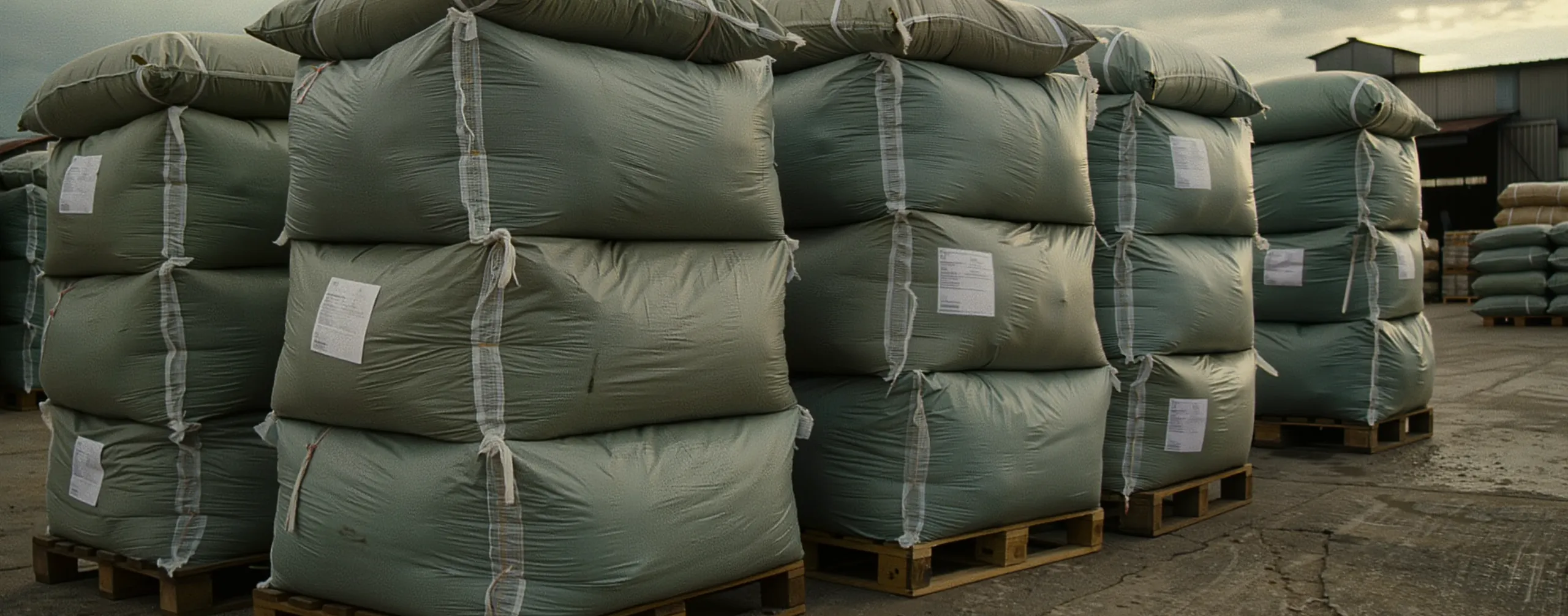
- Bulk, palletised and tanker loads
How does the process work?
-
Description of the material
Name, where it arises in the process, quantity, physical state, how it is stored and the reason for writing it off. If the material was bought in as a substance or mixture, send the safety data sheet for the source product.
-
The check under Articles 4 and 5 of the WMA
If the material has a clearly defined lawful use, it may not be waste at all. Where that is the case we tell you so and do not charge you for a service you do not need.
-
Classification
We assign the code by origin. Where the composition is unknown or concentrations are borderline, testing is commissioned under Annex 6 to Ordinance No. 2/2014.
-
Choice of facility
The hierarchy in Article 6 of the WMA puts recovery ahead of disposal. For combustible organic streams R1 is usually both cheaper and better aligned with the requirements. We set out both options with prices.
-
Transport and handover
Hazardous batches travel under ADR, with an identification document and written instructions. You receive the full document set for your register.
Documents, legal compliance and codes
A production material is classified by origin, not by type. The same solvent therefore takes a different code depending on whether it comes from the manufacture of pharmaceuticals (07 05), paints and varnishes (08 01) or cosmetics (07 06). Group 16 03 is used only where no origin-based chapter contains a suitable entry. The reverse is the most common error in the classification worksheets we see. Transport is carried out under registration document No. 12-РД-2661-00, issued by RIOSV.
Hazardous properties are determined under Annex 3 to the WMA, properties HP1 to HP15. The old H1 to H15 designations have been repealed; if your worksheet still uses them, it needs reissuing.
Typical codes under Ordinance No. 2/2014
| Code | Description | Type |
|---|---|---|
| 07 01 to 07 07 | Wastes from the manufacture, formulation, supply and use of organic chemicals, plastics, dyes, pharmaceuticals and cosmetics | Depends on composition |
| 06 01 to 06 13 | Wastes from inorganic chemical processes: acids, alkalis, salts, metal oxides | Depends on composition |
| 16 03 03* / 16 03 04 | Inorganic wastes with and without hazardous substances (off-specification batches) | Hazardous / Non-hazardous |
| 16 03 05* / 16 03 06 | Organic wastes with and without hazardous substances (off-specification batches) | Hazardous / Non-hazardous |
| 16 05 06* / 16 05 07* / 16 05 08* | Laboratory, inorganic and organic waste chemicals containing hazardous substances | Hazardous |
| 19 02 08* / 19 02 09* | Liquid and solid combustible wastes containing hazardous substances | Hazardous |
| 15 01 10* | Packaging containing residues of hazardous substances | Hazardous |
* Hazardous waste under Ordinance No. 2/2014
Questions & Answers
How do you determine whether a raw material is hazardous?
By composition and concentration, against the threshold values for properties HP1 to HP15 in Annex 3 to the WMA. The conclusion goes into the classification worksheet and is approved by RIOSV.
Is a safety data sheet mandatory for ADR transport?
No. ADR requires a transport document under 5.4.1 and written instructions under 5.4.3, but it does not require a safety data sheet. We need one for the classification, not for the carriage itself.
Can the material turn out not to be waste?
Yes, if it meets all the conditions in Article 4 of the WMA for a by-product simultaneously. That check is the first step and it is free. If the material was waste but has since undergone recovery, Article 5 applies.
Incineration or landfill?
The hierarchy in Article 6 of the WMA puts recovery ahead of disposal, and landfill is the last resort. For combustible organic streams R1 is usually the cheaper option too. We set out both with prices and reasoning, and the choice is yours.
Do you take bulk and tanker loads?
Yes, from single pallets to road tankers. For liquid bulk we confirm compatibility with the tanker and the residue from the previous load in advance.
Request classification of a batch
Send us a description of the material and where it comes from. We come back with an assessment of whether it is waste, a code, a facility and a price.